Learning Python and AI One-to-One: Where a High School Student Should Start
Artificial intelligence is everywhere in the news, and a lot of students, and their parents, are asking the same question: how do you actually start learning it? The internet answers with an endless list of courses, videos and tools, which is part of the problem. Too many starting points can feel the same as none.
This post is a plain guide to where a beginner should start, what the core idea of machine learning really is, and why learning to code is one of the subjects that benefits most from having a tutor beside you.
What “learning AI” actually involves
“Learning AI” sounds like one skill. In practice it is a stack of several, and each one rests on the one below it.
At the bottom is programming: being able to tell a computer, precisely, what to do. Above that are algorithms: the step-by-step methods for solving problems efficiently, such as sorting a list or searching through data. Above that are the fundamentals of AI and machine learning: how a program can improve at a task by learning from examples instead of following rules a person wrote by hand. And running through all of it is mathematics, especially algebra, functions and, later, a bit of calculus and linear algebra.
A student who jumps straight to the top of the stack, copying code that trains a model, can get something to run. But when it breaks, or when they want to change it, there is nothing underneath to work with. The students who get furthest are usually the ones who were patient with the bottom layers.
Start with Python, and with the basics
For most beginners, the right first language is Python. It is readable, it is widely used in AI and data science, and a student can write a working program on day one.
The first weeks are not glamorous, and they should not be rushed. Variables, conditions, loops and functions. Reading an error message instead of panicking at it. Breaking a problem into small pieces and testing each piece. These habits matter more than any library, because every later topic is built out of them.
Once those are comfortable, algorithms come next. How do you find the largest number in a list? How do you sort a thousand names? Why is one method much faster than another on large inputs? This is where coding starts to feel like mathematics, which is no accident: an algorithm is a mathematical idea written down in a way a computer can follow.
The idea at the heart of machine learning
Machine learning can sound mysterious, but its central idea fits in one sentence: guess, measure how wrong you were, adjust, and repeat.
Imagine a program that has to predict something, say the price of a house from its size. It starts with a rough rule, almost a random guess. It then checks that rule against real examples and measures how far off it was. That measurement is called the error. Next, it nudges its settings in the direction that makes the error a little smaller. Then it does the whole thing again, thousands of times. Each round, the rule gets slightly better.
That loop of guessing, measuring and adjusting is the heart of training a model, from a simple straight-line fit all the way to large neural networks. Once a student understands it properly, a lot of the mystery around AI disappears. And it is exactly the kind of idea that is much easier to grasp when someone can draw it, ask you questions about it, and let you try it in a few lines of Python.
Why coding is easier to learn one-to-one
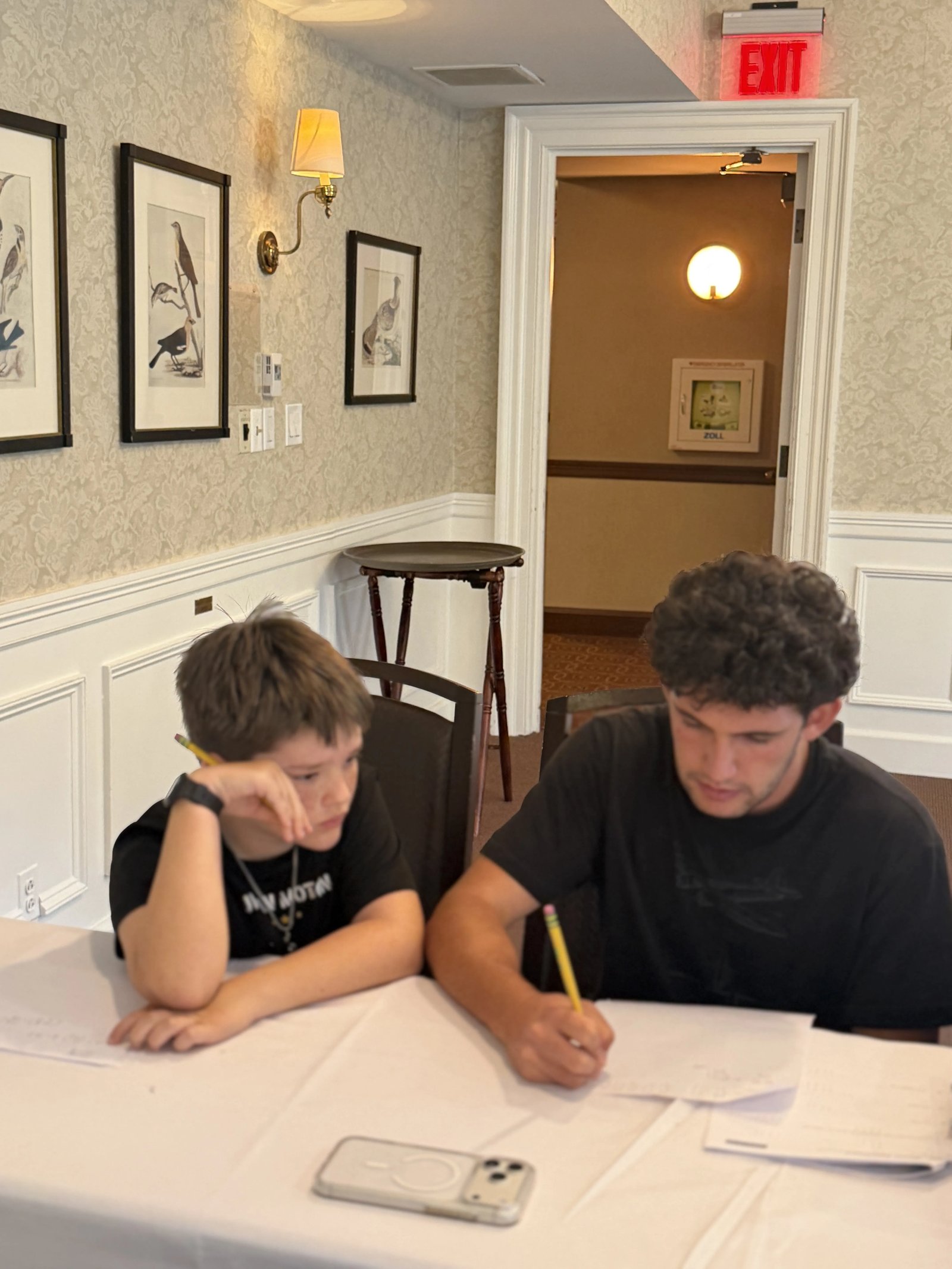
Most beginners do not quit programming because the ideas are too hard. They quit because they get stuck on something small, a missing bracket, a variable with the wrong name, a loop that runs one time too many, and spend an hour feeling lost.
In a classroom or an online video course, that hour is spent alone. In a one-to-one session, the bug becomes the lesson. The tutor can look at exactly what the student wrote, ask what they expected to happen, and help them find the mistake themselves. Over time, the student learns how to debug, which is arguably the most useful programming skill there is.
That is how our online tutoring works. Each session is one hour, one tutor and one student, fully online with flexible scheduling, and shaped around the student’s own goals. Our AI and coding tutoring covers Python, AI fundamentals, machine learning and algorithms, with the same emphasis we bring to every subject: conceptual understanding plus problem solving.
Our tutors range from Ph.D.s to Ivy League graduates and undergraduate students, alongside teachers, engineers and other professionals with a track record of helping students. For coding in particular, it helps to learn from someone who writes code themselves and remembers what it was like to be stuck.
Where it can lead
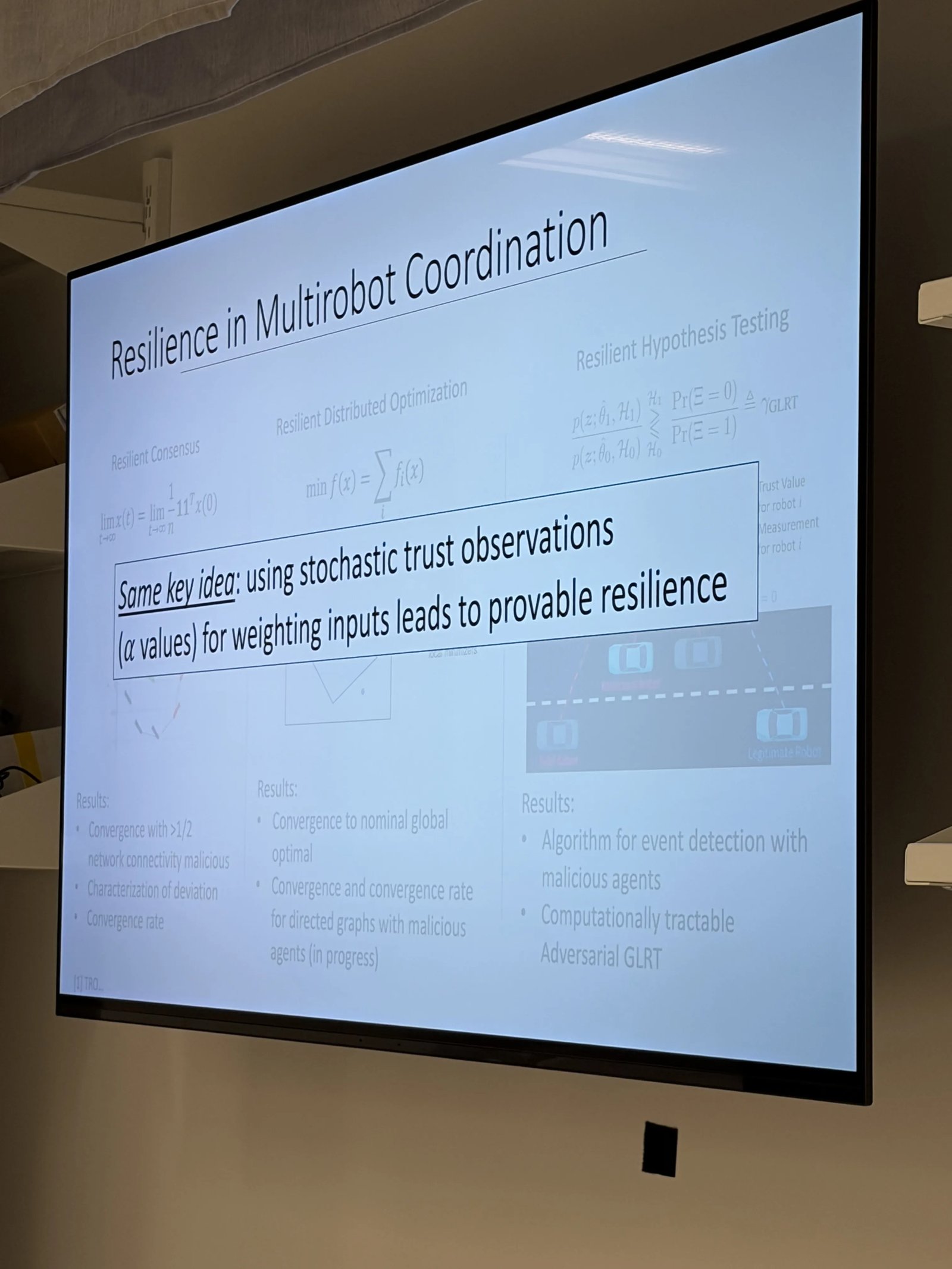
For some students, a solid foundation in Python and algorithms is the goal in itself: a skill that makes school projects, science fairs and later study easier. For others it is a first step toward something bigger.
Students who enjoy it have more places to take it at CyberMath. Our summer math camps include an AI and Machine Learning track, with Python, neural networks and hands-on projects, that needs no prior experience. And for students who want to see how real investigation works, our online research program is an eight-week course led by university professors.
None of that is required. The point of the first step is simply to make the next one possible.
Getting started
If your student is curious about coding or AI but not sure where to begin, the easiest way to find out is to talk it through. Every student can start with a free 45-minute introductory session, where we get a sense of what they already know, what they want to build or understand, and whether one-to-one tutoring is the right fit.
Book a free introductory session, or read more about one-to-one online tutoring at CyberMath.